
Selected Oral History Interviews
The interviews below explore issues of migration, discrimination, poverty, cultural identity and faith. Some interviews are drawn from personal projects, while others emerge from doctoral fieldwork research conducted in Paris and Marseille, particularly in the quartiers prioritaires and urban banlieues zones, Using a semi-structured interview style, these oral histories foreground lived experiences and emotional worlds that are often absent from traditional historical sources, particularly within disadvantaged urban spaces shaped by long-standing patterns of socio-economic inequality and exclusion.
Displacement, Gang Violence and Prison
Life as a Muslim Rapper in France
Growing Up in Postcolonial France
Housing Insecurity, Kurdishness and Islam
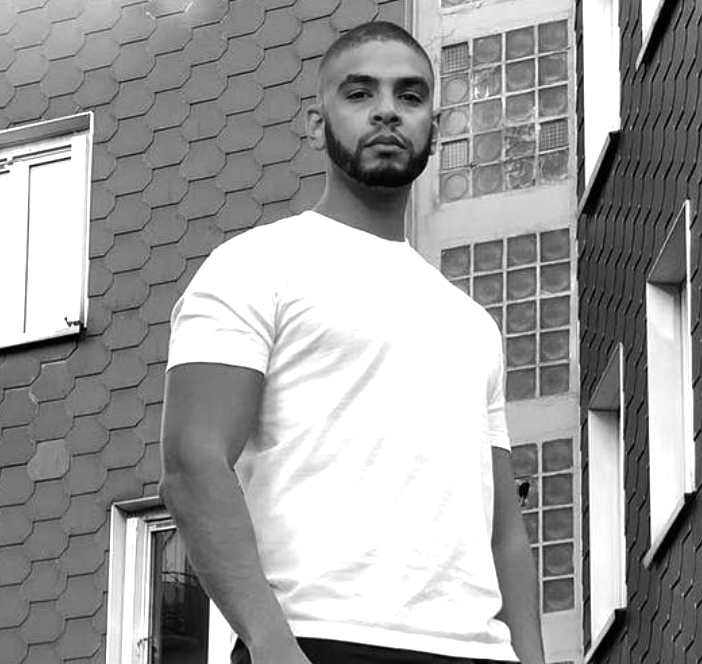
The Banlieues, Discrimination and the Algerian War
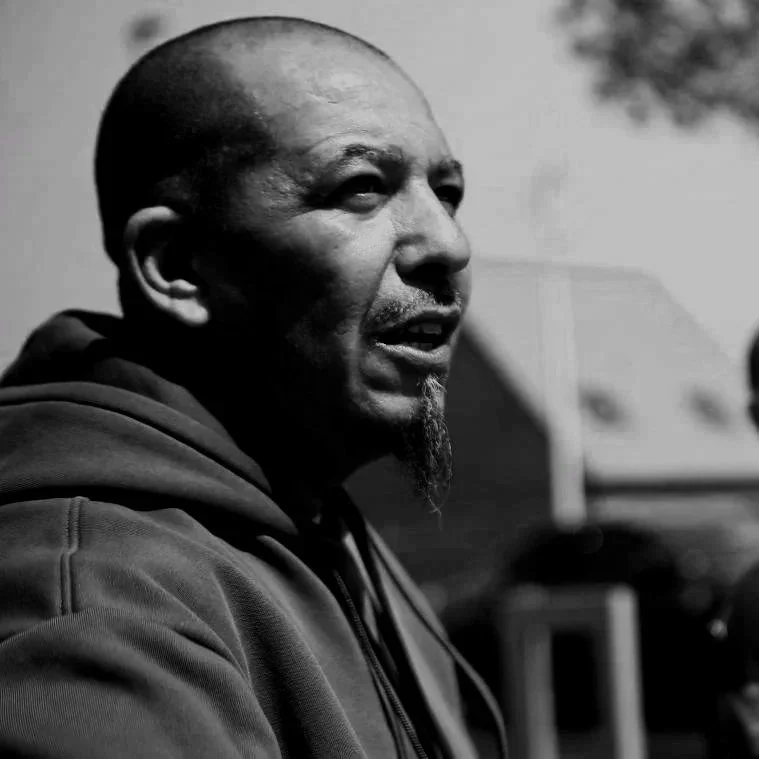
A Pioneering Figure of French Hip-Hop
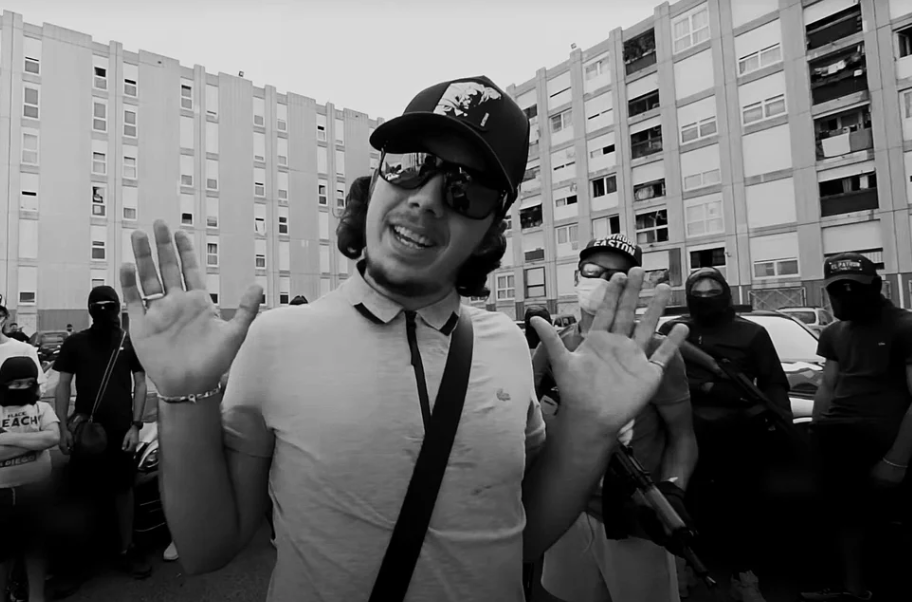
A Childhood in Marseille’s Most Notorious Cité

Migration, Poverty and Drug Trafficking
Methods and Ethics
Much of these oral histories engage with sensitive issues including criminalisation, violence, socio-economic precarity and illegal migration, so the research is conducted with a strong emphasis on trauma awareness. Ethical care, trust and attentiveness to participants’ wellbeing are central to the research process.
Interviews tend to follow a semi-structured oral history approach. While I enter each conversation with key themes and topics in mind, participants are encouraged to lead the direction of the interview and to speak freely about the aspects of their lives they feel comfortable sharing. This method prioritises narrative agency, allowing individuals to frame their own experiences and memories rather than responding to rigid questioning.
Participation is always voluntary and informed, with consent discussed at the outset of each encounter. Interviews are often audio or video-recorded, but only with explicit permission. Participants are free to decline recording, request pauses or withdraw from the research at any point. In some cases, particularly where topics are highly sensitive, conversations are documented through written field notes rather than recordings.
Interviews typically take place in spaces chosen by participants, often within their own neighbourhoods or familiar community settings where they feel most at ease.
Given the sensitivity of the material, anonymity and confidentiality are prioritised. Names and identifying details are altered or withheld where necessary. In some cases, pseudonyms are used; in others, participants express preference or indifference over their names being used.
This research is shaped by ongoing reflexivity. My positionality as a researcher with sometimes close cultural and/or religious proximity to participants can facilitate access and trust, while also requiring continual ethical self-assessment. Attention is paid to power dynamics and the responsibilities involved in representing lives often shaped by surveillance, marginalisation and criminalisation.
Ultimately, this methodological approach seeks to balance documentation with care and responsibility. These projects are not intended to offer definitive or exhaustive accounts, but to create space for participant-led narratives and encourage further dialogue.