A Childhood in Marseille’s Most Notorious Cité
These translated excerpts are drawn from an oral history interview conducted with So La Zone in Marseille, France.
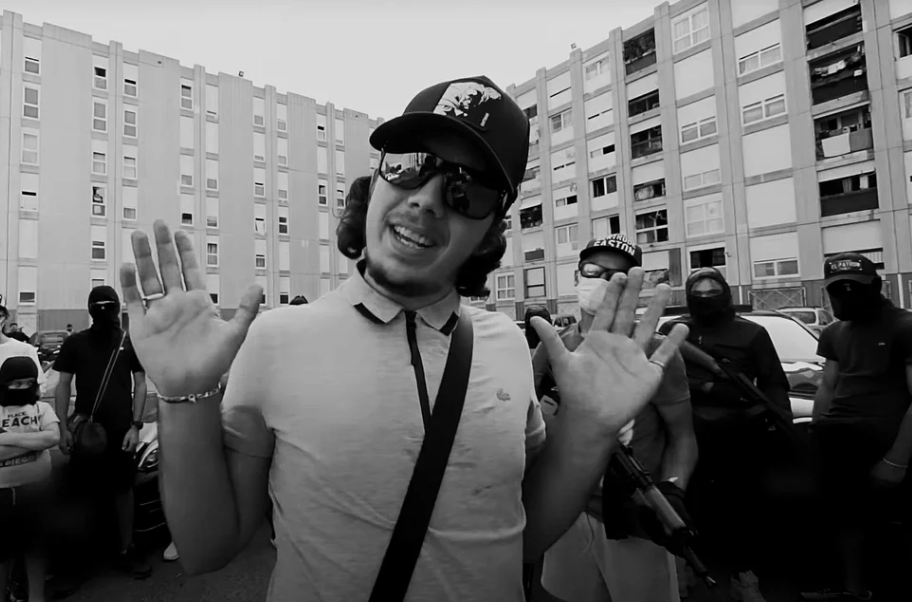
So La Zone is a French rapper of Algerian-Italian origin who first gained recognition through his freestyles focusing on the violence of his surroundings. He arrived in France at the age of one, following his parents’ separation. By fourteen, he had left home and found himself living in La Castellane. In recent years, So La Zone’s music has reached a wide audience, with over 65 million views across his YouTube channel, and his track ‘Traceur’ alone surpassing 10 million views.
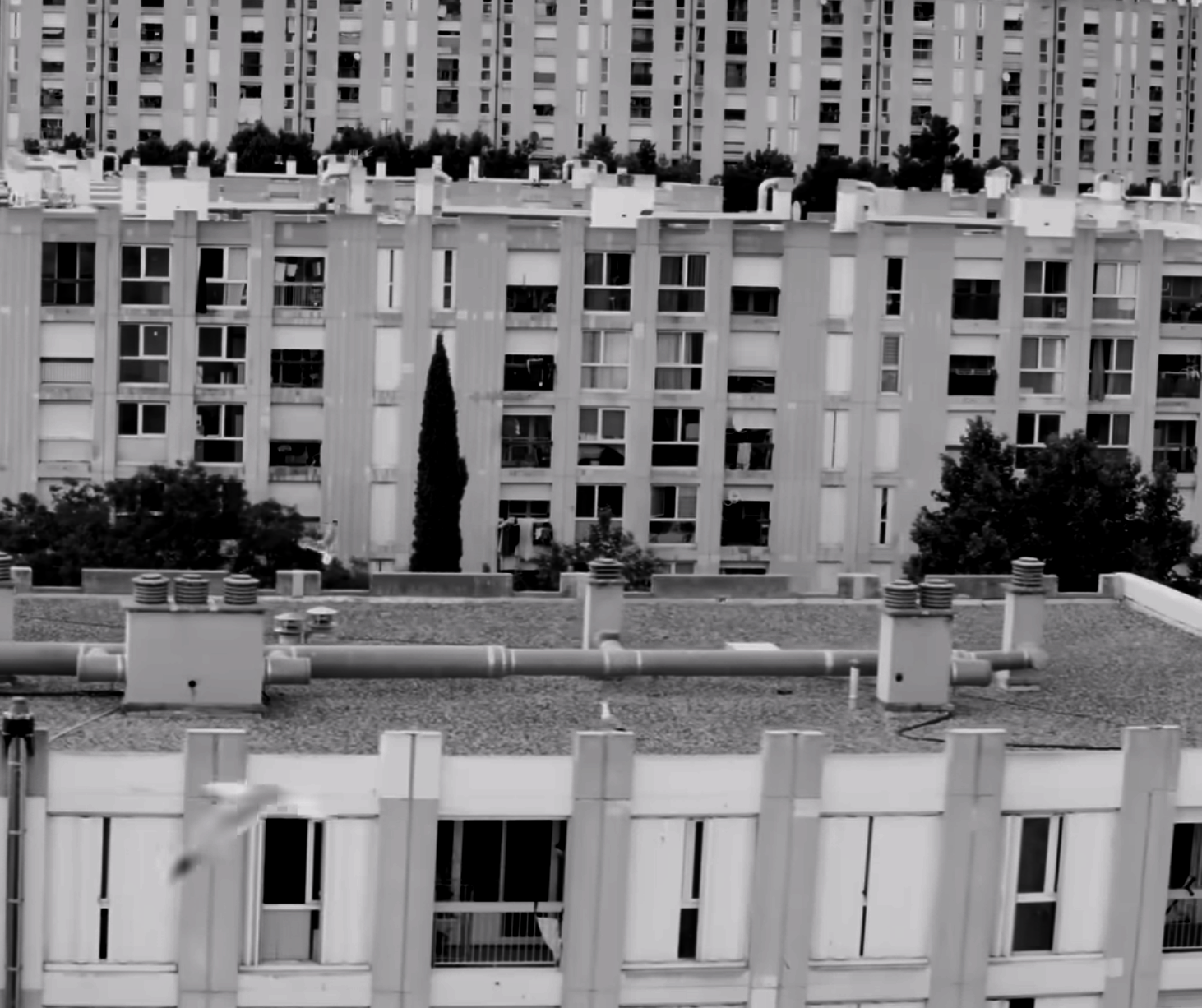
Located in the Quartiers Nord, La Castellane is one of Marseille’s most notorious cités - a large public housing estate plagued by unemployment, drug trafficking and arms smuggling. The drug trade in the estate has been estimated to account for around 10% of the drug market in the city of Marseille, prompting recurring large-scale police operations. Originally built in the 1960s to house refugees from the Algerian War, it is now home to over 7,000 residents - predominantly second-generation French citizens of North African and Sub-Saharan descent. La Castellane is also recognised in popular culture as the neighbourhood where footballer Zinedine Zidane grew up.
Childhood Years
“By the age of fourteen years old, I was never sleeping at home, I was a ‘nomad’ you could say. I was doing stupid things left and right, trying to find myself. I stopped school in cinquième [Year 7], I didn’t learn much. That’s when I arrived in La Castellane. When I got here at fourteen years old, I was welcomed with open arms. But I was alone...It’s sad but it’s true. It was difficult. Sometimes I slept in the woods. Now I can laugh about it, alhamdulillah. It was hard though.”
“I did a few years of years of prison - three separate sentences between the ages of 15 to 16, then 17 to 18, then from 20 to 23. I was in six different prisons because I was transferred a few times. Prison is cool here. The first sentence is the hardest, it’s hard to adapt. But one, two, three times... it’s water. I tried a gastronomy school after I came out of prison when I was eighteen years old. I was helped by a local organisation but I abandoned it. I wasn’t able to stay in one thing. You can see, even right now, I’m moving from left to right, I can’t keep still.”
Trajectory as a Rapper
“I started rapping at the age of 13, but never wanted to actually pursue it. I didn’t have any vision for the future, so it was a game at first, I did freestyles. I was always good with lyrics... I was always strong with my pen – telling things, telling what’s happening. Rap is my way of speaking, without people seeing me as a bad person. I can talk about my life, I can talk about my past. Violence and crime is the only thing we’ve lived, so it’s what we’ll show. Over time, I’ve developed how to write. Now when I need to use a word in French that I don’t know, I look up definitions on the internet, I look up how to use it. That’s how I try to cultivate myself. I tried to read books but it wasn’t for me.”
“One of the main themes I focus on is the quartier [hood]. Most of my audience want the streets. Maybe even people living in villages, they haven’t lived it, so they want to see what it’s like for us. A lot of us are writing about a past we are trying to escape from, but when people listen to us, they think we are gangsters. We try to show what we’ve lived through and trying to escape from... the streets... misery. I want people to listen to my music and say, “yeah this guy is strong”. I want everyone to be touched. When people listen to my music in the quartiers, everyone feels touched.”
Looking Forward
“Everything bad that I do, I’ve put it to the side. I don’t want to take the risk when I have a career ahead of me. I’ll carry on with music. If I can succeed in music, it means it’s destiny; it’s mektoub. But music is a world that is haram. One day I want to get back into religion. I don’t want to do it now. Maybe some bullshit happens to me now, but that’s between me and God. But one day it will click, and I’ll live my life seriously.
But even if one day I make it, it will always be La Castellane. La Castellane. La Castellane. I may make it out of the quartier, but I’ll always be in this quartier.”
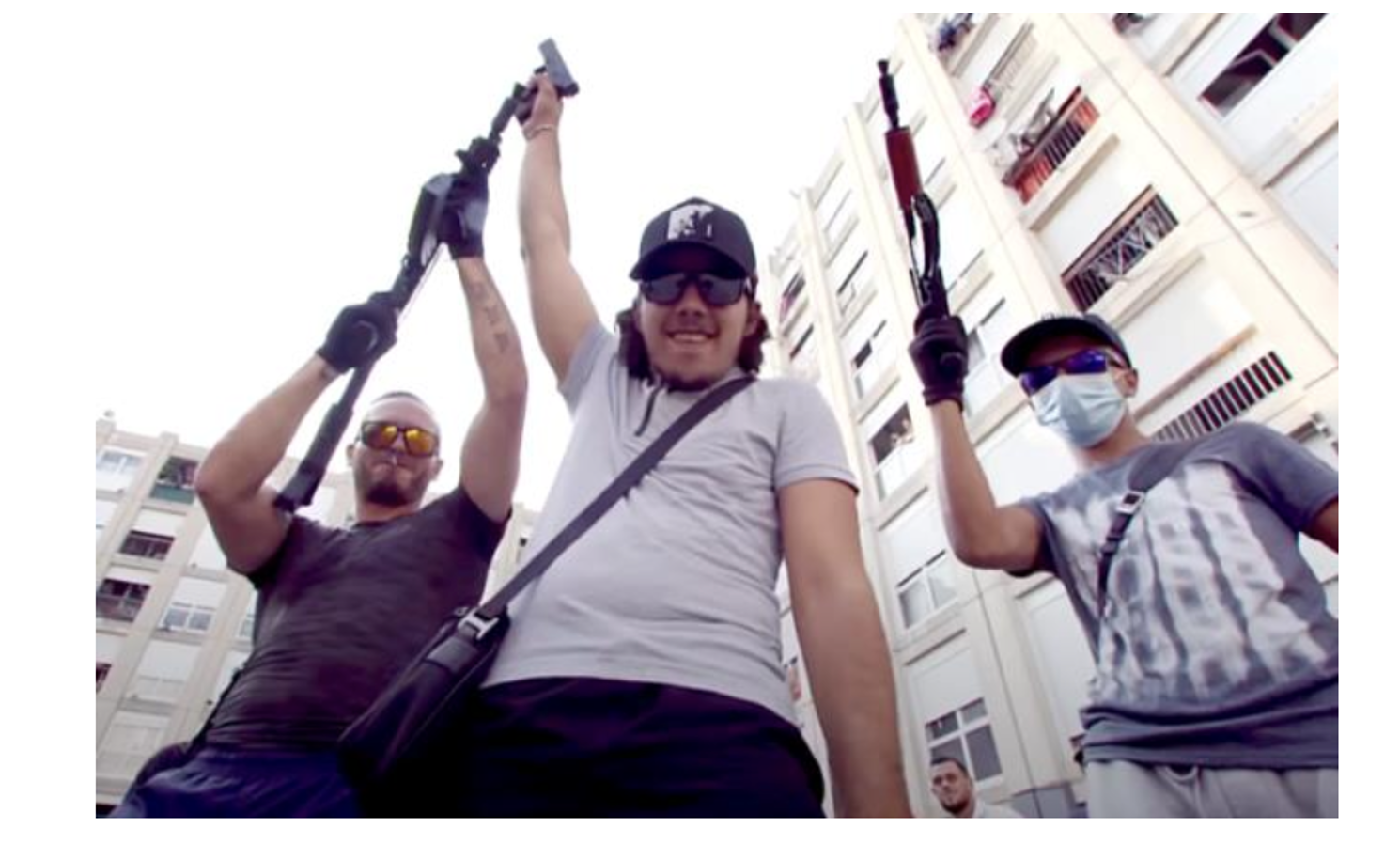
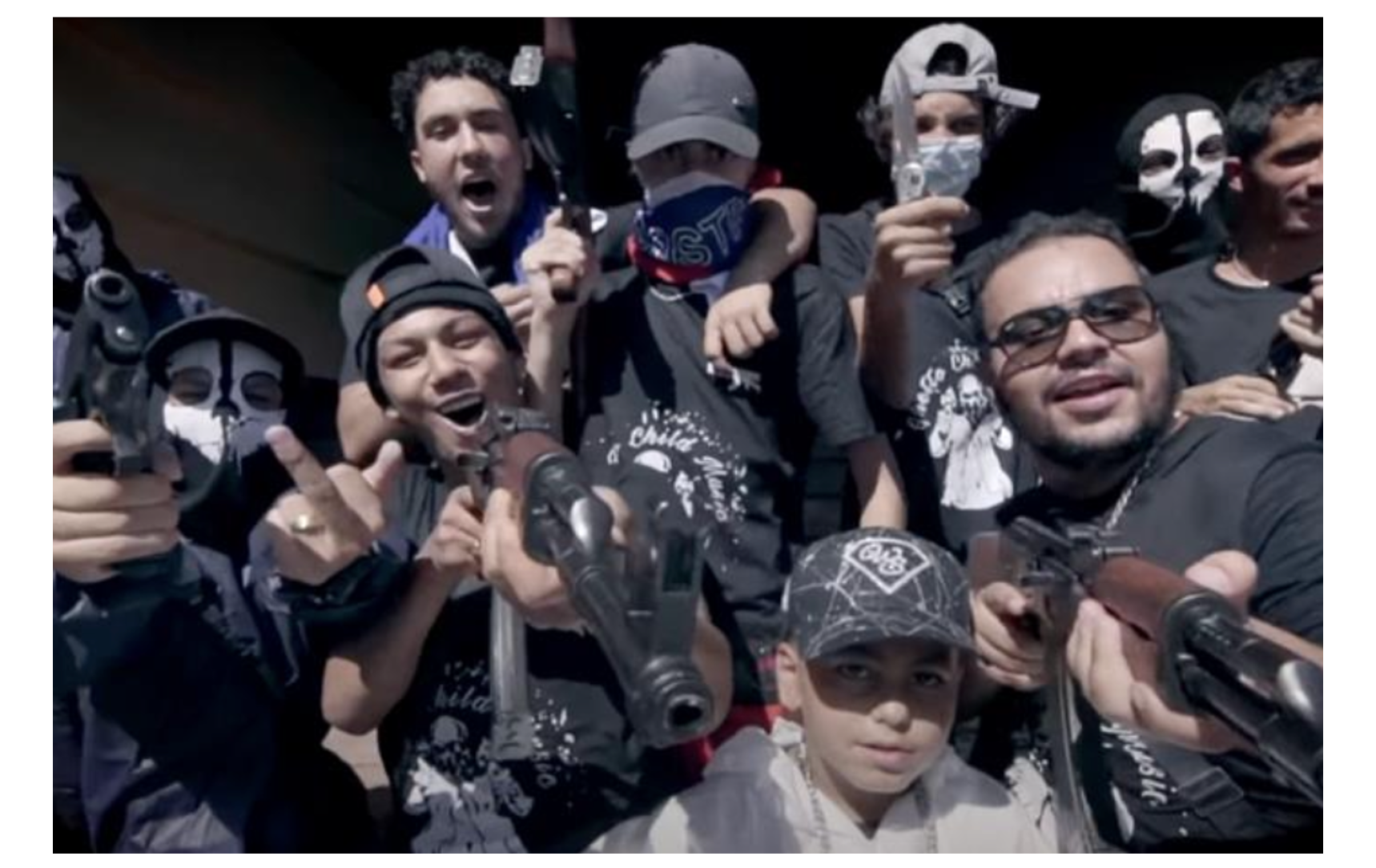
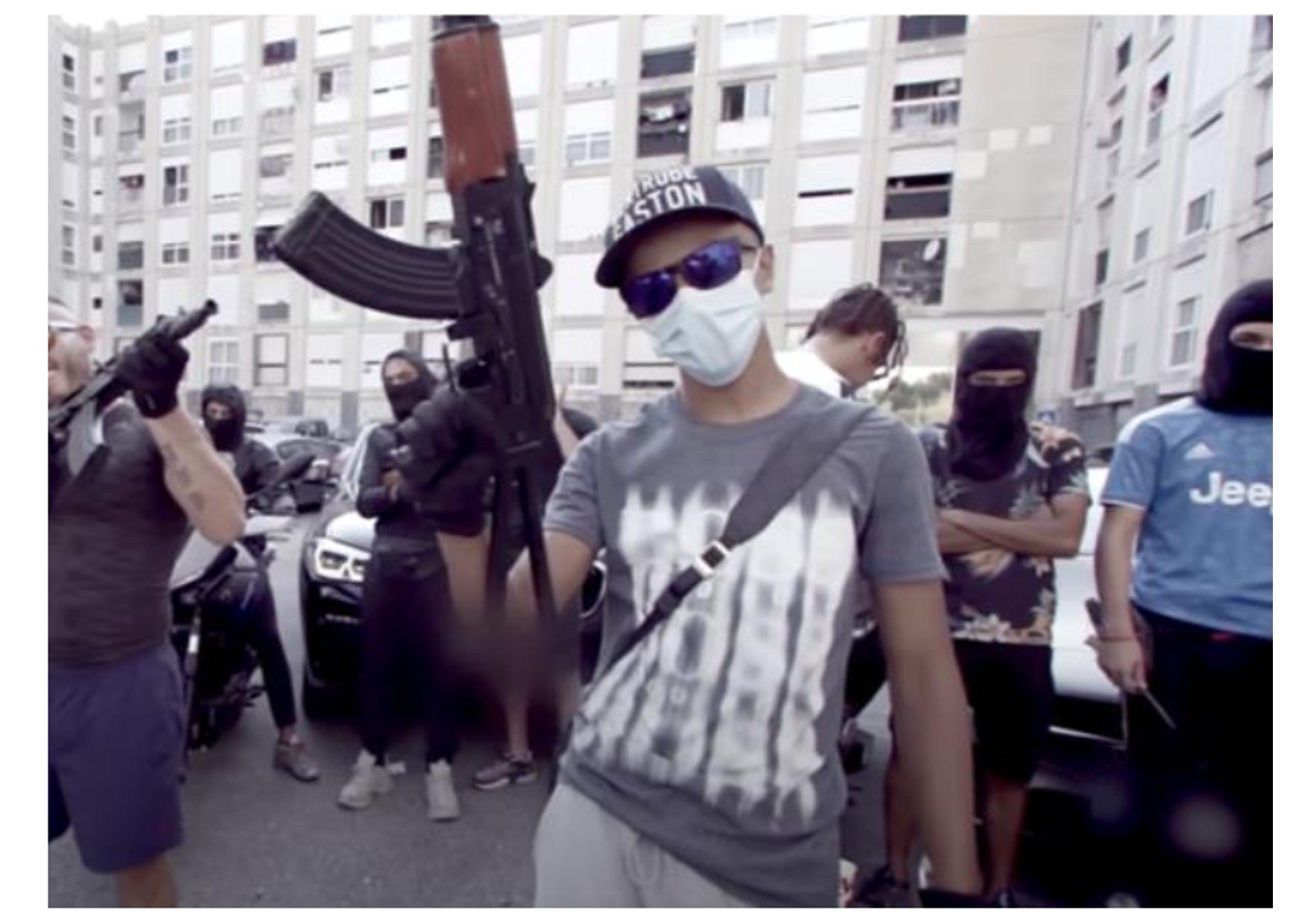
Still shots of So La Zone’s music videos filmed in La Castellane, where weapons circulate widely, even among minors.