
Housing Insecurity, Kurdishness and Islam
This narrative is drawn from a series of oral history interviews conducted over several months with Ahmet, a young man born and raised in North London.
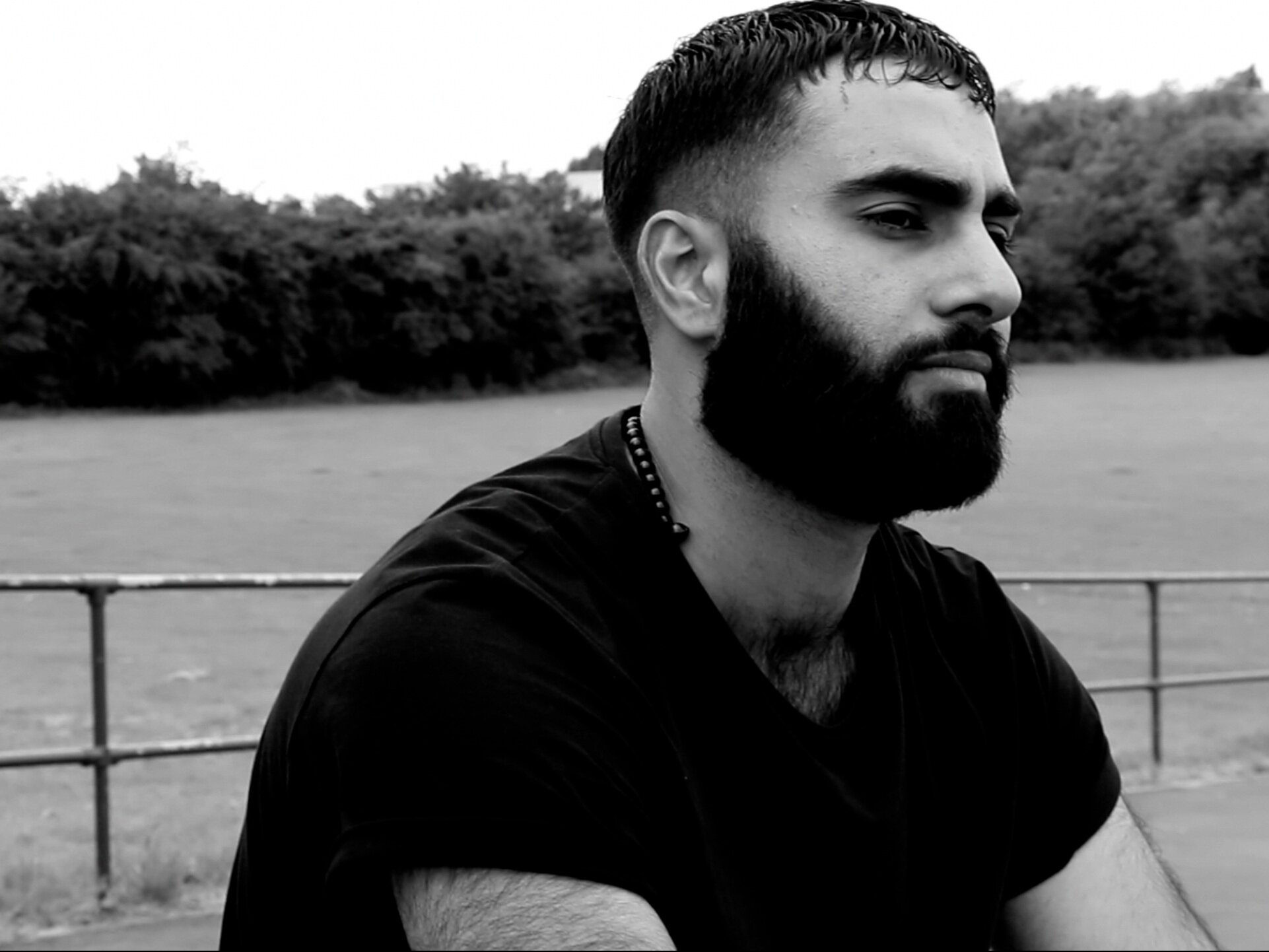
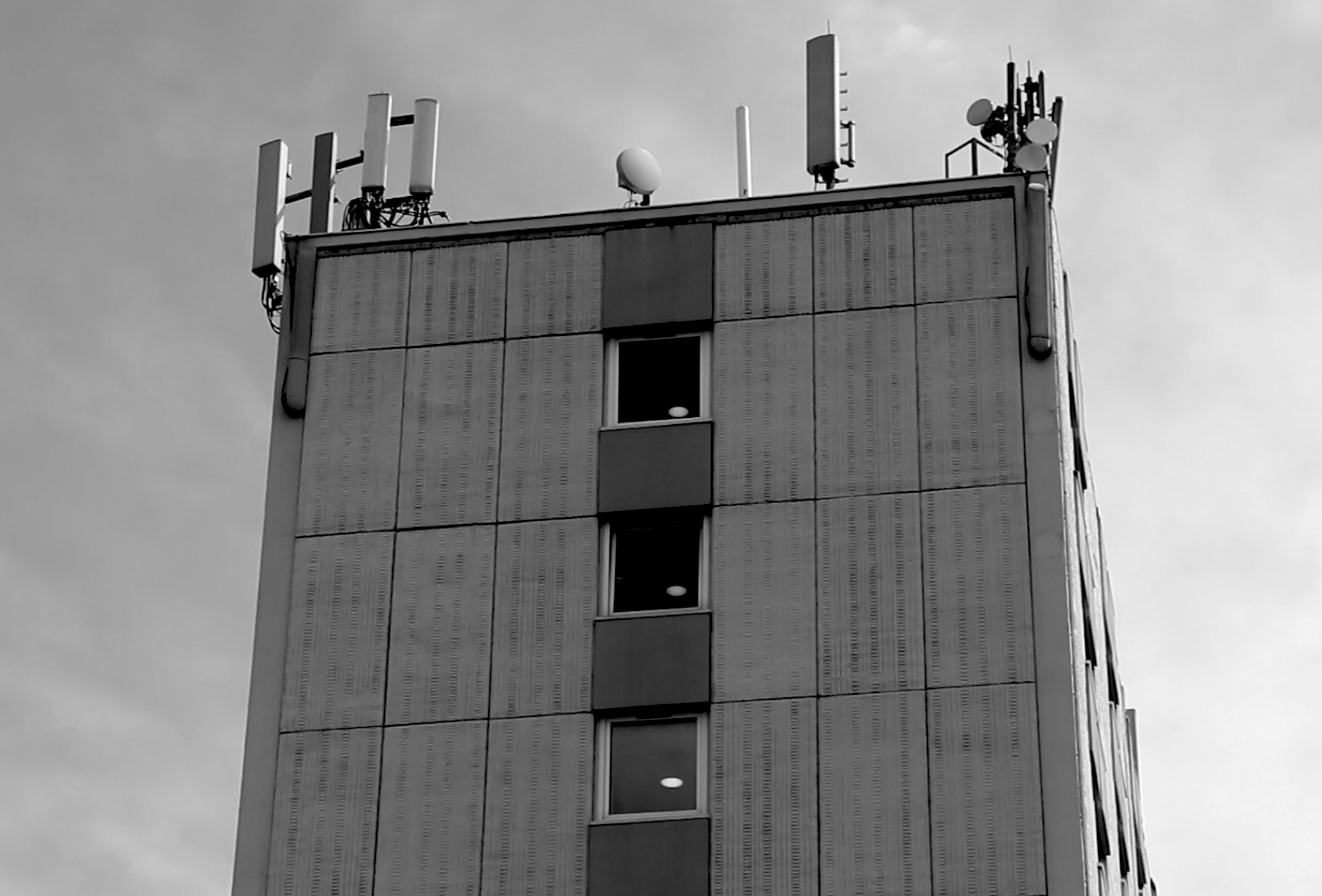
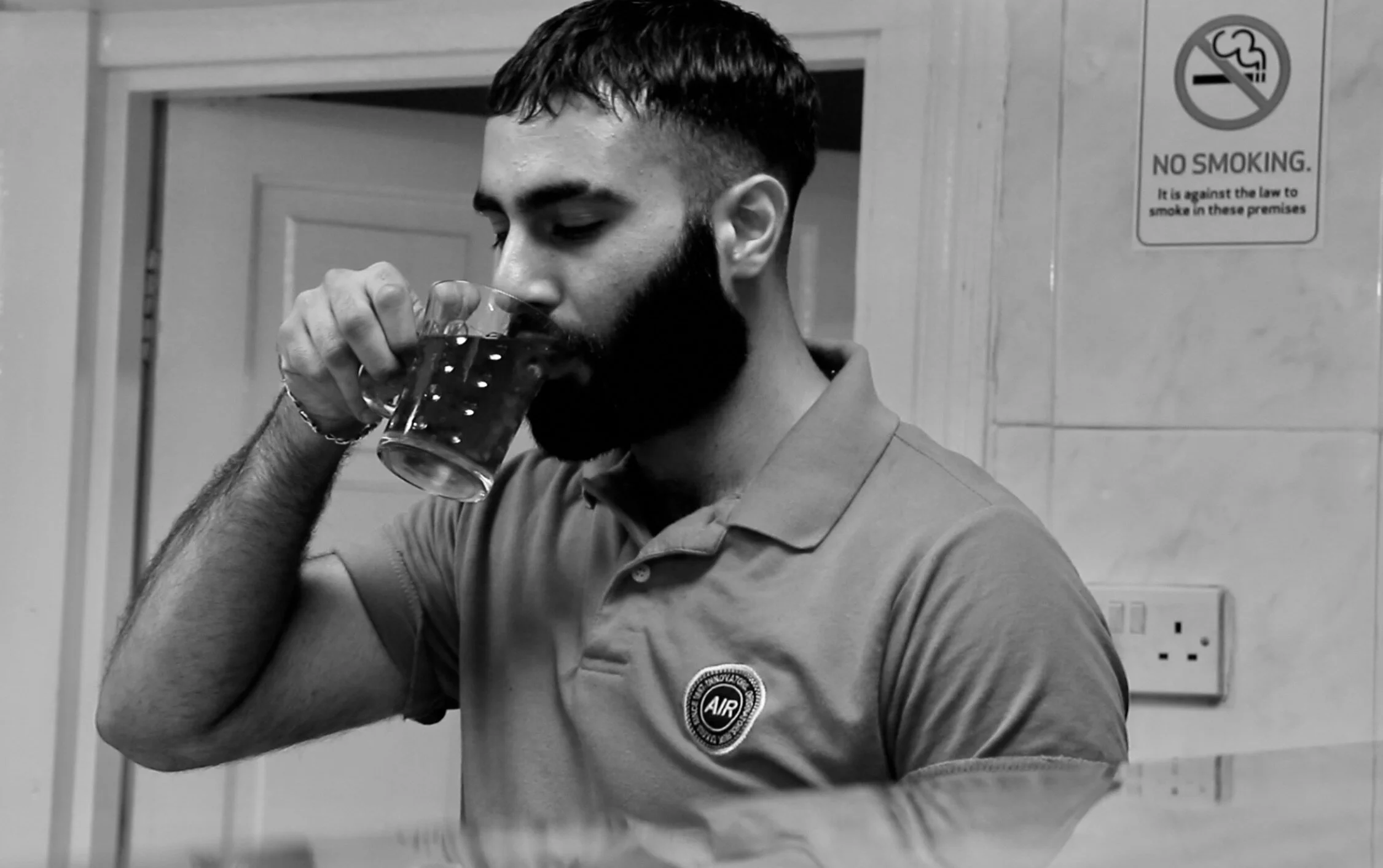
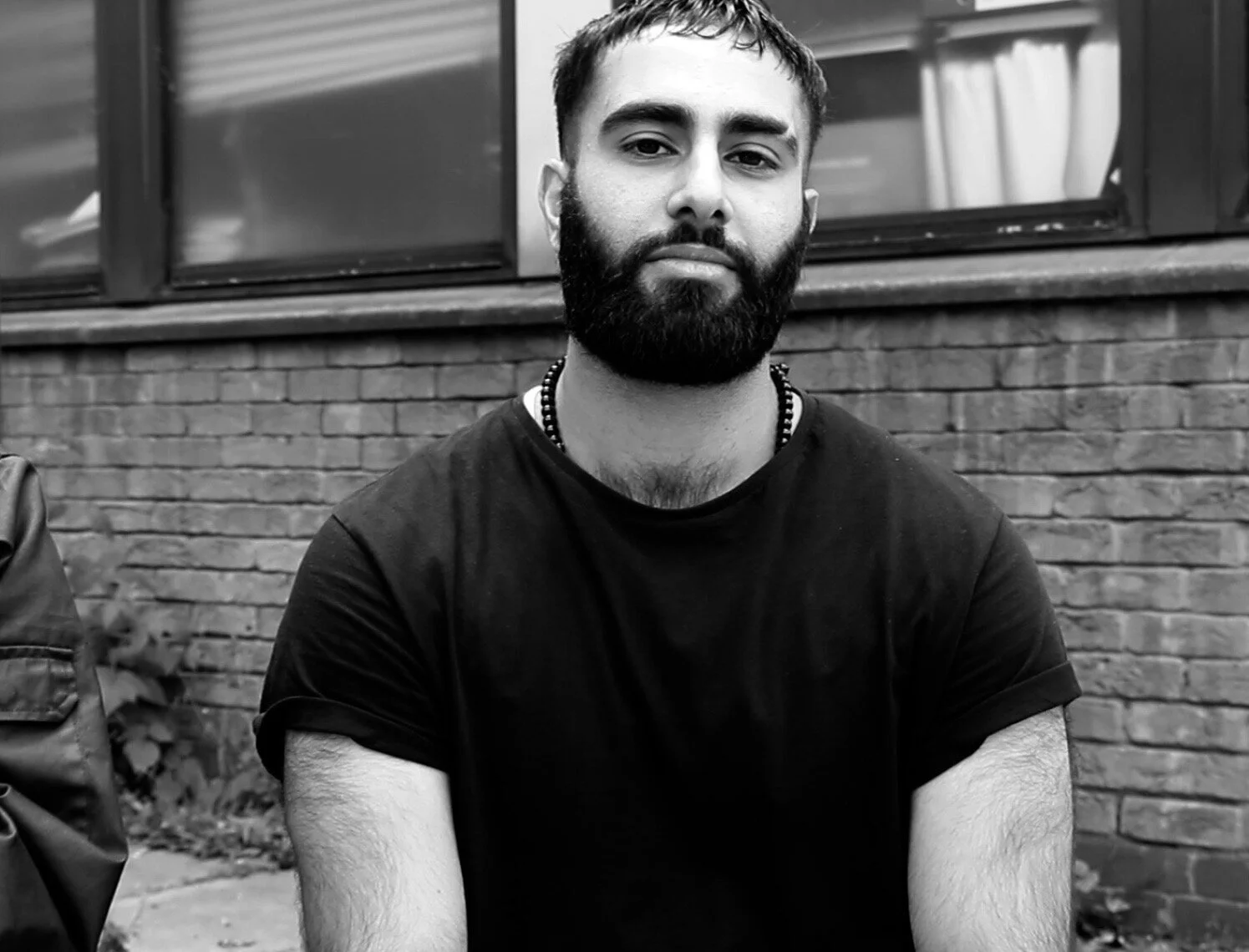
Ahmet grew up on a housing estate in North London. His family is originally from Elazığ, a Kurdish-majority city in eastern Anatolia, migrating to the UK in the late 1980s – part of a wider Kurdish diaspora shaped by displacement and political instability. Much of Ahmet’s childhood was marked by neglect at home, and he recalls having to take care of himself from an early age following his parents’ separation.
School quickly became a site of exclusion, and persistent disciplinary issues, exclusions and eventual expulsions placed him on the margins of the education system. By his teenage years, encounters with the police had become a regular feature of his life, culminating in his arrest by armed response officers after an incident outside his home involving a knife.
His prison sentence marked a turning point in his life. Following his release, Ahmet had no stable housing and was placed in a YMCA hostel. Only eighteen years old at the time, he describes this period as one of acute vulnerability, living in an environment characterised by daily violence, drug use and constant instability. Reflecting on that time, he recalls:
“The lifestyle in the YMCA was pretty messed up. I mean where have you ever seen that the whole block smokes? The whole block literally smokes weed. You go into the building, the smell of weed is everywhere - every floor, even downstairs in the reception, around the building. So yeah, it’s pretty easy for someone who’s a good person, to come in there fresh with ambition, and literally fuck up.”
During his year in temporary accommodation, Ahmet’s mental health deteriorated significantly and he began to experience chronic depression. When he fell behind on rent payments, he was evicted and found himself without secure housing. For several months, he moved between friends’ and extended family members’ homes, describing this period as one of profound loneliness and exhaustion.
“Being homeless was hard. You have nowhere to stay. You haven’t got a home.”
Eventually, Ahmet was rehoused in a council flat. Although his circumstances stabilised, the experience left a lasting impression. When he can afford to do so, he now spends his time distributing food and warm drinks to people sleeping rough in in his local area. He understands more than anyone else what it feels like not to have a home.
“When you’re at the bottom, there’s nowhere else you can go but up. The reason why I’m still here today is because I’m a strong-willed person. Never, ever give up. Never. The moment you give up, you’ve lost everything.”
In recent years, Ahmet has attempted to rebuild his life through work and education. Now in his mid-twenties, he has returned to college to train as a mechanic while working long hours in construction and night shifts at a family-run kebab shop. He speaks with pride about distancing himself from his past. Islam has become an increasingly important ethical reference point in this process and he is committed to earning a halal living.
“I might not wear the full ‘thing’ but that doesn’t mean I’m not religious. At the end of the day, I’ve got faith. Faith is called iman. That’s something that you have inside of you that makes you strong.”
Identity remains central to how Ahmet understands himself and his trajectory. Although he has only visited Turkey a few times, Kurdish culture shapes his everyday life - especially when it comes to food and music. He loves to blast Ahmet Kaya’s songs down the high street, teach his friends how to dance the halay and enjoy a weekly bowl of kuru fasulye at his local cafe. With his Kurdish being limited, he interchanges between English and Turkish. However, Ahmet also speaks candidly about a sense of never fully belonging - feeling like a “stranger” in Britain, the country of his birth, while simultaneously feeling “not Kurdish enough” when visiting Turkey.
Looking ahead, Ahmet imagines a quieter future away from London. One day, he hopes to settle in Elazığ, the rural province his family left behind over forty years ago.