Displacement, Gang Violence and Prison
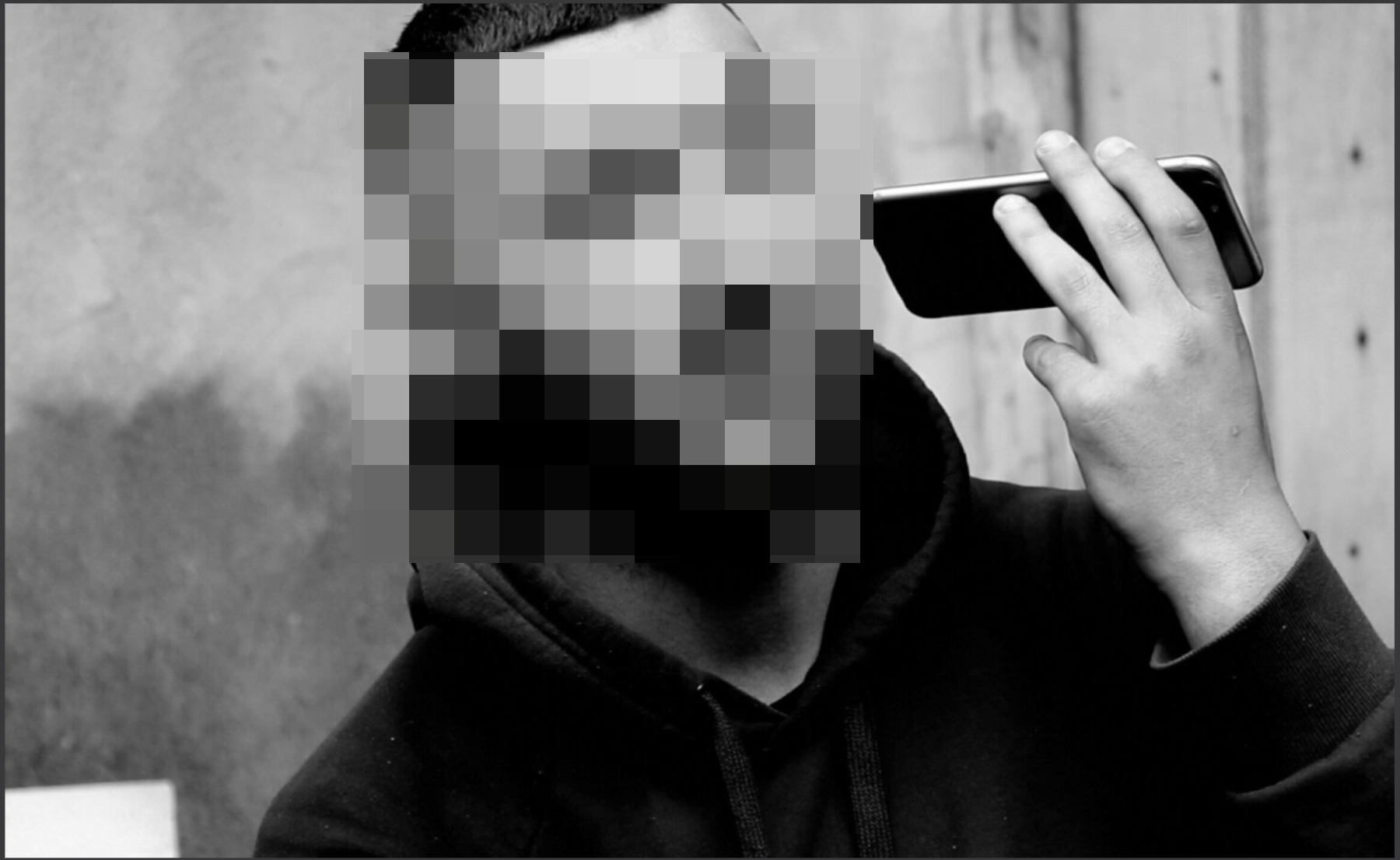
This narrative is drawn from a series of oral history interviews conducted with Diyar, a young Kurdish man born in Turkey and raised in North London.
Diyar moved to the UK from the southern Turkish province of Mersin when he was nine years old. His family had previously lived in a small Kurdish village in eastern Turkey, but were forced to flee due to troubles with the police. Their journey to the UK involved false documents and prolonged uncertainty, including reliance on smuggling networks - memories that remain difficult for him
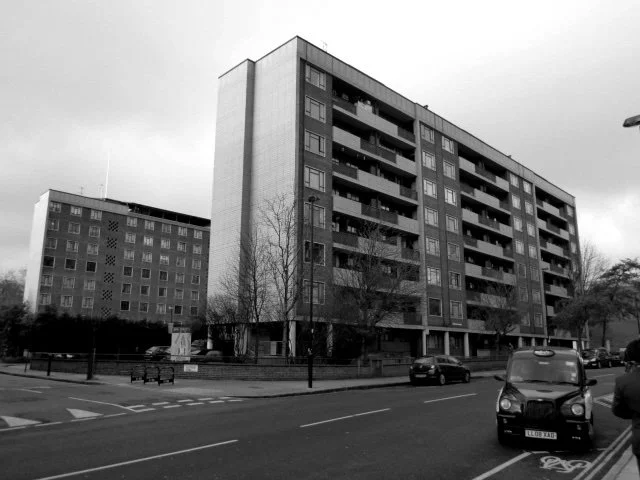
Growing up in North London, Diyar describes an environment marked by violence and instability from an early age. He recalls neighbourhood dynamics shaped not only by local criminal economies but also by conflicts and loyalties carried over from blood feuds in Turkey. His own family – his father and his mother’s side – are blood enemies. As a child, these long-standing feuds dictated where he could go and who he could be seen with.
Language barriers and frequent disruptions made school difficult. As a teenager, Diyar became involved in one of North London’s most notorious gangs, drawn by the promise of money and belonging. What initially appeared as a way out of poverty quickly became a cycle of violence and incarceration. By his early twenties, he had served multiple custodial sentences, including a two-year term for gang-related violence. During the same period, his older brother was given a five-year sentence, charged with being a gang leader. Reflecting on what loyalty and honour means to him, Diyar explains:
“I wouldn’t want to take anyone’s life, but if someone took my brother’s life, I would have to take a life for him. It’s just in our culture.”
Diyar speaks of organised crime woven into every day life in his borough. Even small business owners - predominantly Turks and Kurds - often have to pay extortion money to organised criminal networks. Since the 1980s, Turkish gangs in North London have been notorious for holding significant influence within local heroin markets. Rumours have been circulating within the community that money extracted locally sometimes moves beyond the UK, becoming entangled with conflicts elsewhere and even funding militant groups like the PKK. Once involved in these criminal organisations, it’s difficult to leave.
“If you get in their way, they’ll get you out of their way. They’ll kill you. They can chop off your toes, your fingers. It’s bad.”
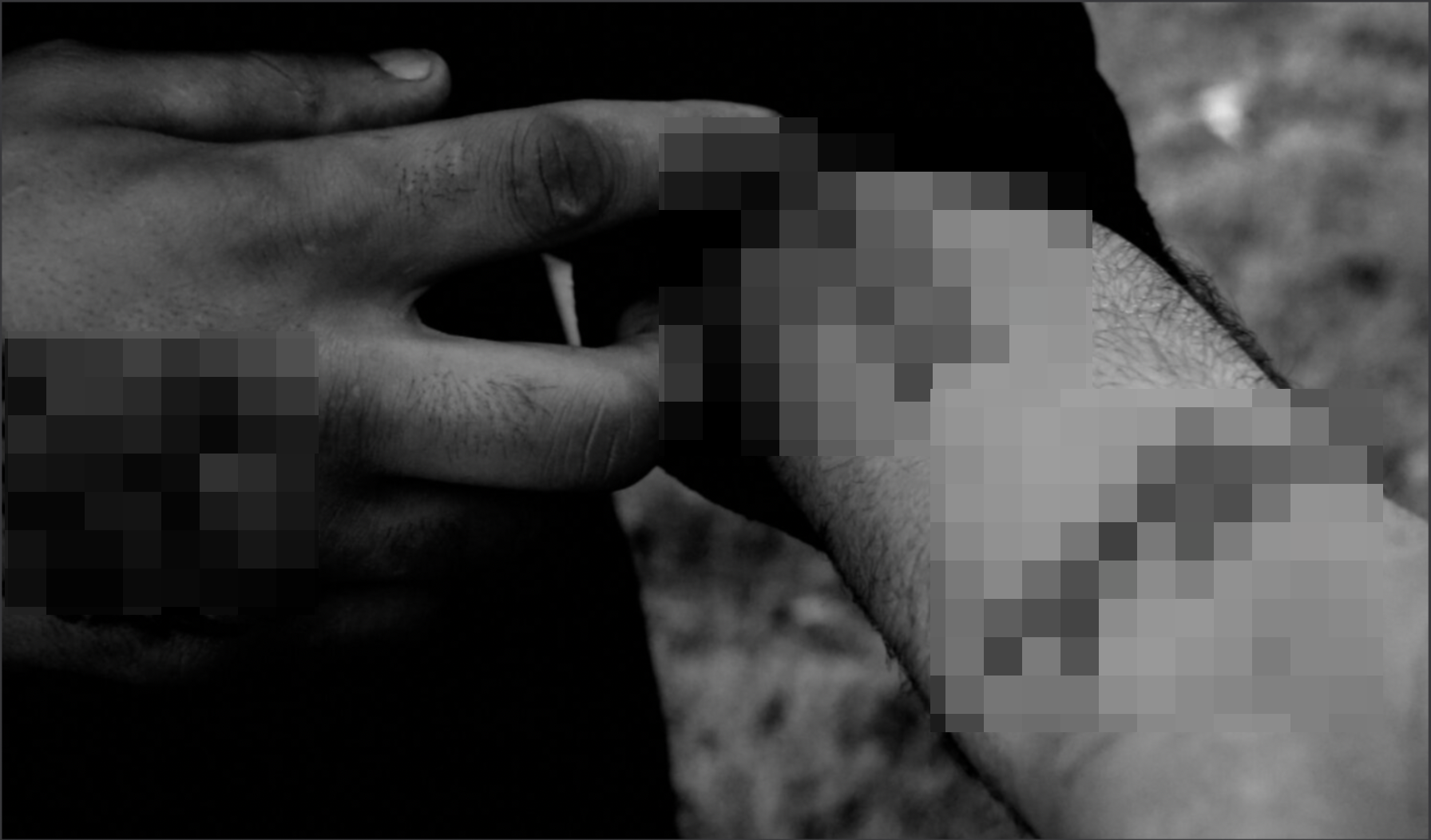
Periods of time in prison have had a profound impact on Diyar’s mental health. He describes developing acute anxiety and paranoia, alongside recurring nightmares and intrusive memories of violence. Physical scars serve as daily reminders of past attempts on his life, while the deaths of friends and cousins - many stabbed or shot at a young age - remain unresolved losses. Funerals become routine.
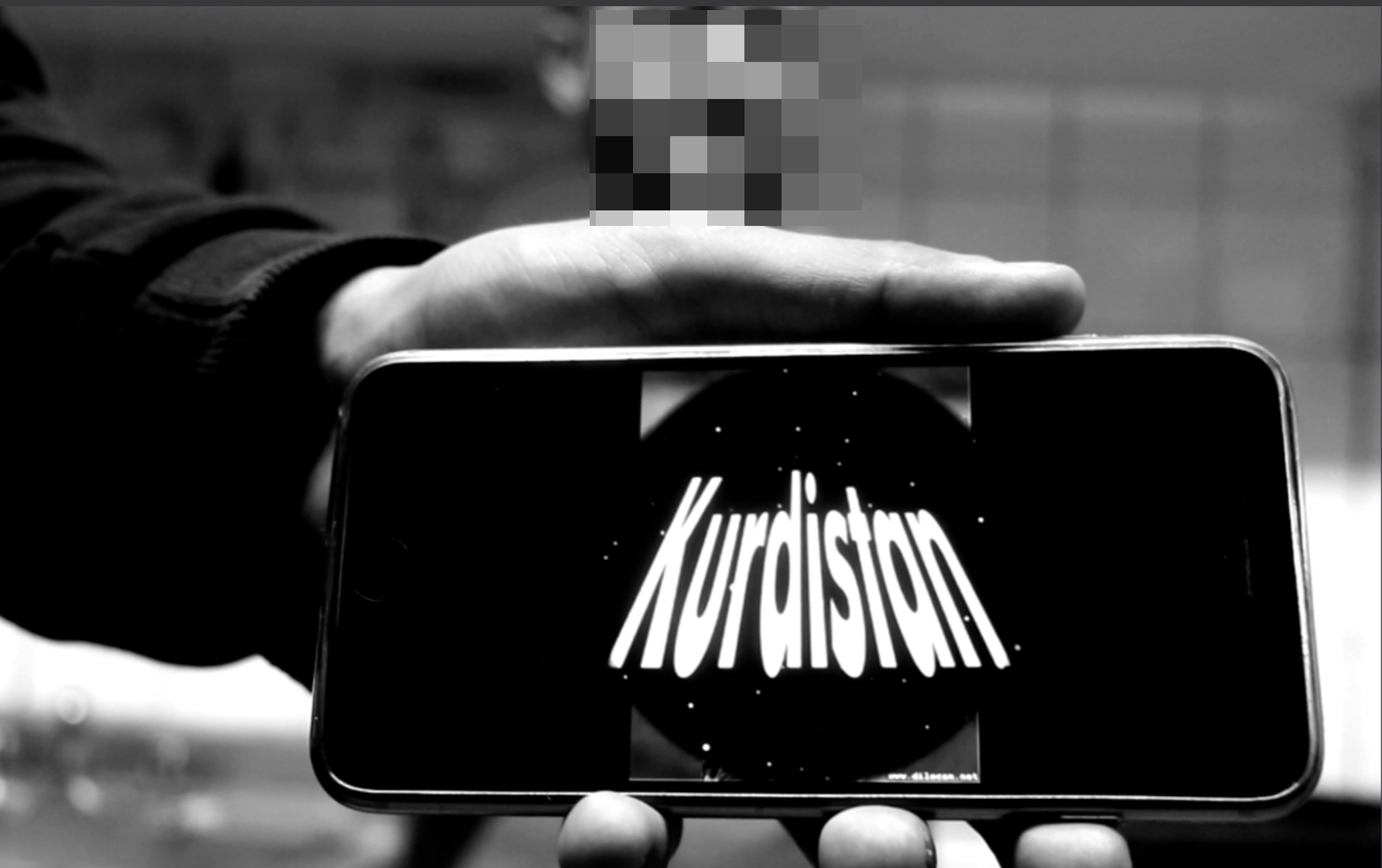
Despite being firmly rooted in his North London borough, Diyar maintains a strong connection to his Kurdish identity. He keeps photographs of his village on his phone and frequently reminisces about his childhood in Turkey, switching fluidly between English, Kurdish and Turkish. He fondly remembers his rural life – looking after his sheep in the village and eating his grandmother’s homemade yoghurt – and often wonders how different his life might have been had his family never left.
Nowadays, Diyar keeps close to home. He no longer ventures out far, fearing that his past will catch up on him. He hopes to one day open up his own kebab shop and forget about his past. Since his release from prison, he has started to pray more regularly, hoping to find his way closer to Islam. He also speaks of a promise made to his mother: to stay out of trouble.
“I don’t want any more bad days, I can’t afford it.”
At the same time, Diyar remains uncertain about the future. He repeats a Turkish proverb: “Ne ekersen, onu bicersin” - what you sow is what you reap. He knows that Turks do not easily forget, and that his past could catch up on him any day: “We make plans for our destiny, but destiny can turn back and laugh at us.”
Update: Diyar has now found himself back in prison for a crime he claims he did not commit. He is currently awaiting trial.