Migration, Poverty and Drug Trafficking
These translated excerpts are drawn from a series of oral history interviews conducted with four young residents of La Castellane and La Courneuve - two of the most notorious public housing estates in France.
La Castellane
Located in the Quartiers Nord, La Castellane is one of Marseille’s most notorious cités - a large public housing estate plagued by unemployment, drug trafficking and arms smuggling. The drug trade in the estate has been estimated to account for around 10% of the drug market in the city of Marseille, prompting recurring large-scale police operations. Originally built in the 1960s to house refugees from the Algerian War, it is now home to over 7,000 residents - predominantly second-generation French citizens of North African and Sub-Saharan decent. La Castellane is also recognised in popular culture as the neighbourhood where footballer Zinedine Zidane grew up.
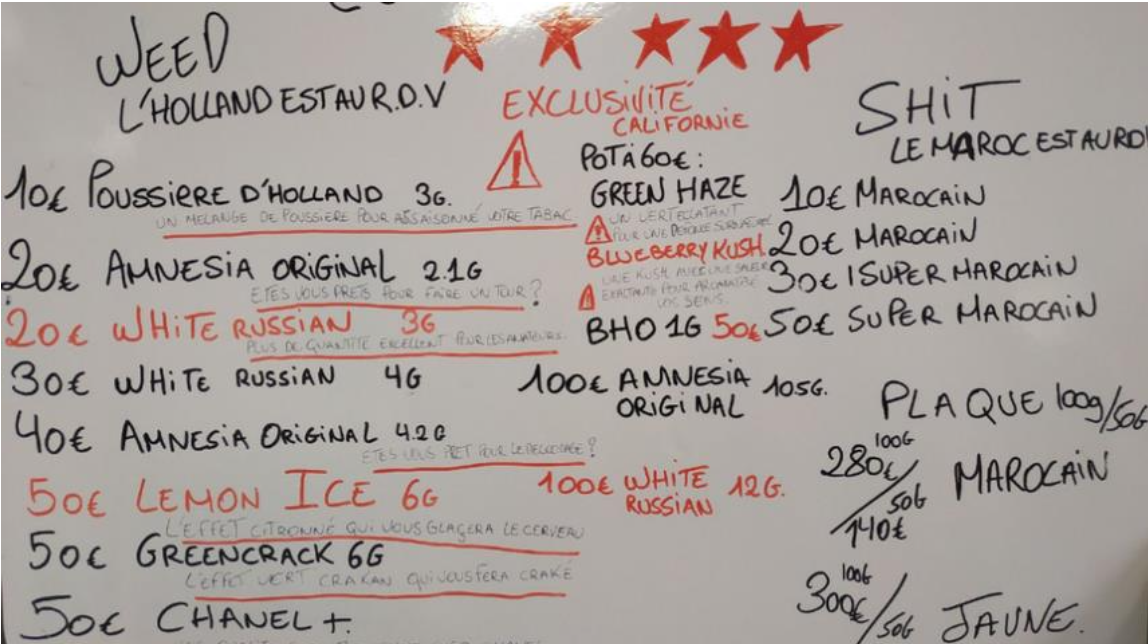
The following observations are drawn from my ethnographic fieldwork conducted in La Castellane, 2024:
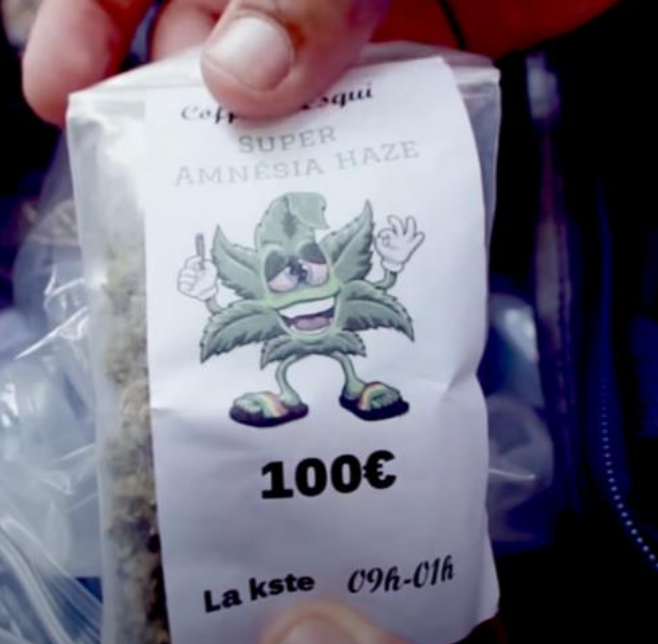
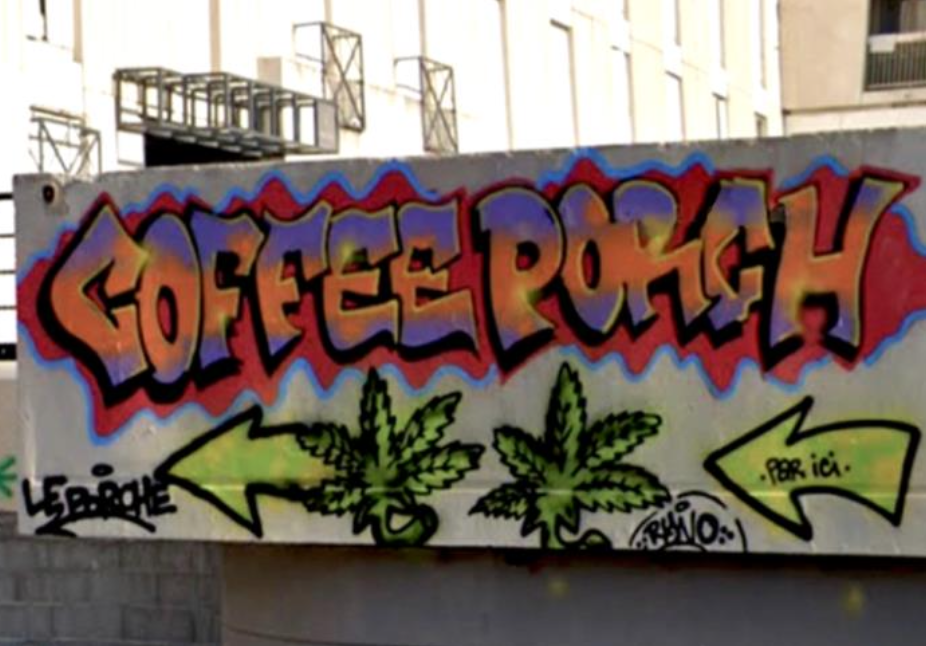
When entering the housing estate, young men can be seen positioned at informal entry points, occassionaly standing to observe passing vehicles and unfamiliar visitors. Handwritten, arrowed signs appear on the walls of tower blocks, directing customers towards designated drug pick-up locations, open daily from ten o’clock in the morning until one o’clock at night. In the entrances of several buildings, laminated weed menus are displayed, listing available products alongside prices for individual and wholesale purchase. Outside Block E, groups of young men - some masked and armed - sit in swivel chairs monitoring the entrance, a presence that contrasts with the everyday movement of children returning from school. The arrival of the CRS [riot police specialising in drug enforcement] is met with a rapid and coordinated response: lookouts stationed in surrounding buildings alert others by banging pots and blowing whistles, signalling the approach of law enforcement.
Resident ‘Y’, fifteen years old: “I started working in this neighbourhood because I had family problems. I work every day and I don’t ask anyone for help. I left Algeria at ten years old. I came to Spain illegally first, then I went to Paris, then Marseille. I did all of this on my own. I didn’t live a good childhood. I was involved in robberies, I found myself on the streets. When I get back home, I don’t have my parents cooking for me. There is no one. I have to do everything on my own, otherwise I don’t eat. I regret some of what I did... but I don’t regret it completely, I was hungry. I did this all because I was hungry.”
Resident ‘Z’, nineteen years old: “This is a tough area; life is hard here. When a kid goes home, he sees his fridge empty. The little ones don’t even have their Kellogg’s. The kid wants money, he wants money to give to his mum, so his family can eat. This is why I started dealing drugs… we needed to eat. But you have to know, it’s not an area where most people are bad. We are just trying to survive. When the doors stay closed long enough, people find another way, even if it means doing dirty things that are outside of our religion.”
La Courneuve
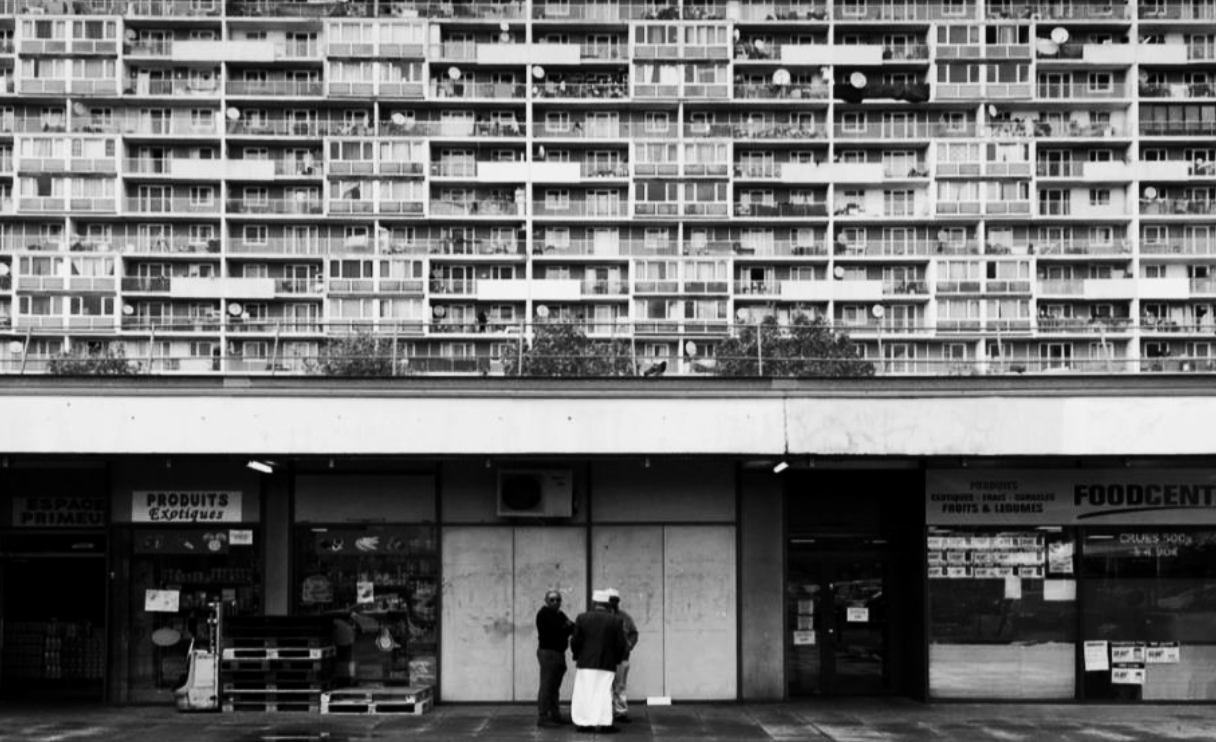
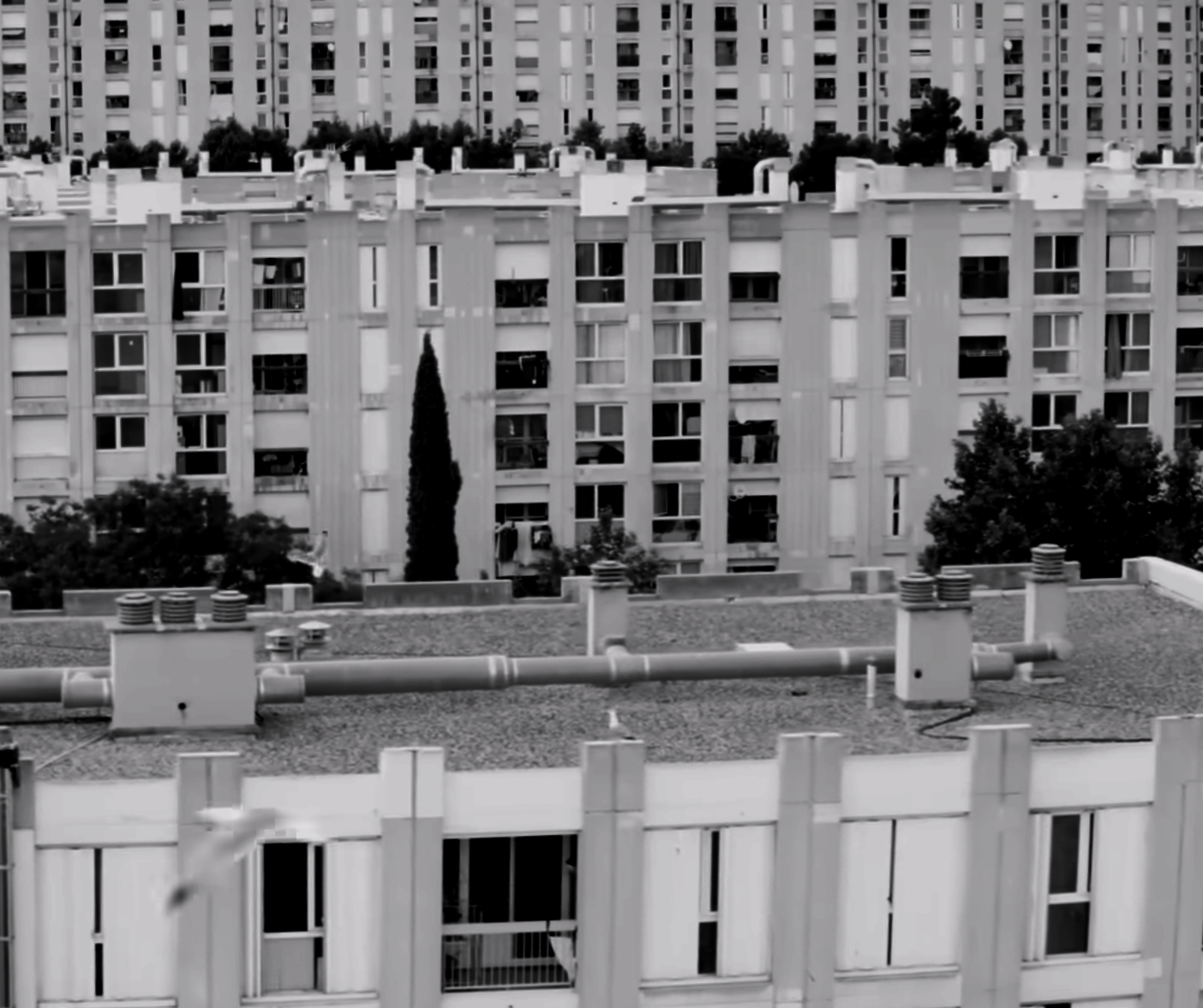
La Courneuve, in the department of Seine-Saint-Denis, is one of the most densely populated and deprived areas of Paris. Shaped by post-war housing policies, deindustrialisation and successive waves of migration, the area has long been marked by socio-economic inequality and housing precarity. Over the decades, La Courneuve has become home to a diverse community of residents of North African, Turkish, Sub-Saharan and Southern European descendent. Although it is gaining traction as a vibrant hub for youth culture and production, the department itself is still the focus of much political attention and media scrutiny – with a drug trade estimated to generate €1 billion in annual turnover and employing over 100,000 people within its shadow economy.
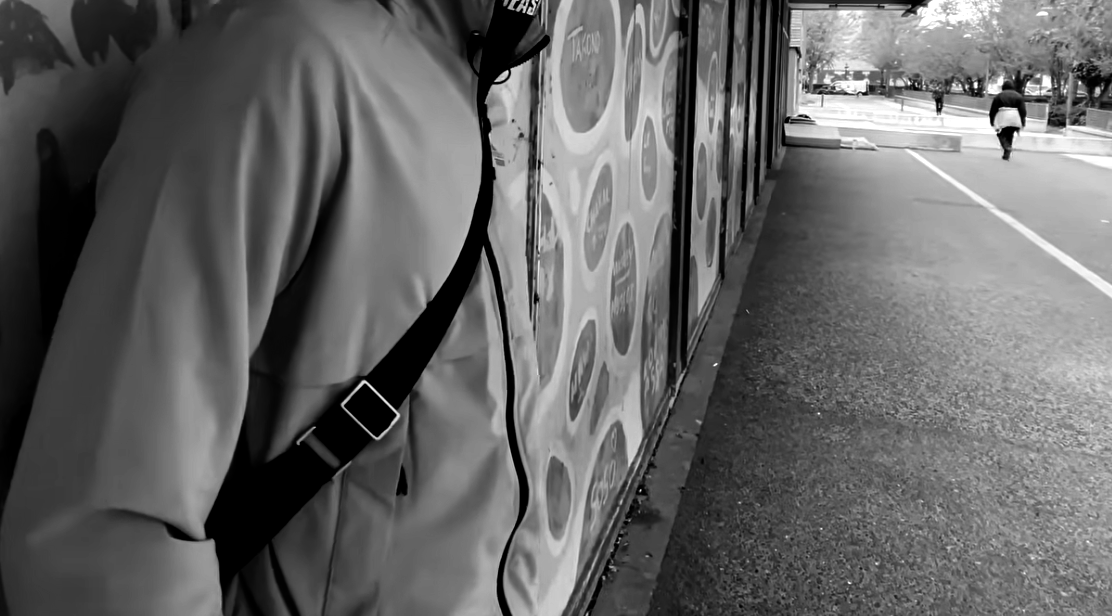
Resident ‘W’, fifteen years old: “I’ve been selling drugs since I was twelve, now I’m sixteen. It’s easy money. We save it, we don’t spend it, it’s for our families. The first people we spend on is our mum, brothers and sisters… to put food on the table. I give them about €1500 a month, the rest is for me. [...] I’m not sure if they know where the money comes from, my mum doesn’t ask. On school days I’m at school, and after school, I do this. I don’t want my family in misery.”
Resident ‘A’, twenty-four years old: “We came here from Algeria during the civil war, but I think maybe life has been harder here. It’s too easy to get caught up in everything around you, it’s hard to resist temptations… temptations of money, of being able to feed the family. I’ve just come out of five years of prison. We don’t have an easy life here. We try to survive, to live, to eat. I don’t know what my dream is. The only thing I know is that I want my mum to be comfortable. She has to be safe insha’Allah, I need to make sure I make her happy, then we can see about what’s next.